Seasonal Wine Pairings for Autumn: Comforting Reds and Roasts
There's a moment in early October when the light softens, the kitchen smells of something slow-roasting, and the wines that saw you through summer suddenly feel thin and chilly. Autumn food is generous but demanding: fat, smoke, earth and sweetness on one plate. Match it badly and the wine disappears. Match it well and the whole meal clicks into place.
Why autumn food changes what you pour
Roasting does something specific to flavour. It drives off water, concentrates sugars and browns the surface, which is why a roasted carrot tastes sweeter than a boiled one and why chicken skin is more savoury than the meat beneath it. The wines need texture and a little fruit weight, but they still need acidity to cut through fat.
Three rules cover most of it:
- Match the weight. A pale, delicate wine vanishes under a rich braise; a blockbuster bulldozes a delicate plate.
- Use acidity against fat. Crackling, butter, cream and cheese all soften with a bright wine.
- Use tannin against protein. Firm reds taste smoother with beef, lamb and venison than they do on their own.
Earthiness is the other autumn thread. Mushrooms, beetroot, celeriac and game carry a savoury, faintly soil-like note that responds to wines with the same character: Pinot Noir, Syrah, Nebbiolo, Gamay.
Sunday roasts: beef, lamb, pork and chicken
Beef
Roast rib or sirloin with gravy is the easiest pairing of the year. Cabernet Sauvignon, a left-bank Bordeaux blend or a Rioja Reserva all have the tannin and cedar notes to stand up to it. If horseradish is on the table, choose something fruitier — a Malbec or a ripe Shiraz — because heat exaggerates tannin.
Lamb
Slow-roasted shoulder with garlic and rosemary is Syrah territory: Côtes du Rhône Villages, Crozes-Hermitage, or a Bandol if you want something more savoury and structured. Mint sauce is the wildcard. It clashes with heavy oak, so lean towards a cool-climate Syrah or a Loire Cabernet Franc when mint is being passed round.
Pork
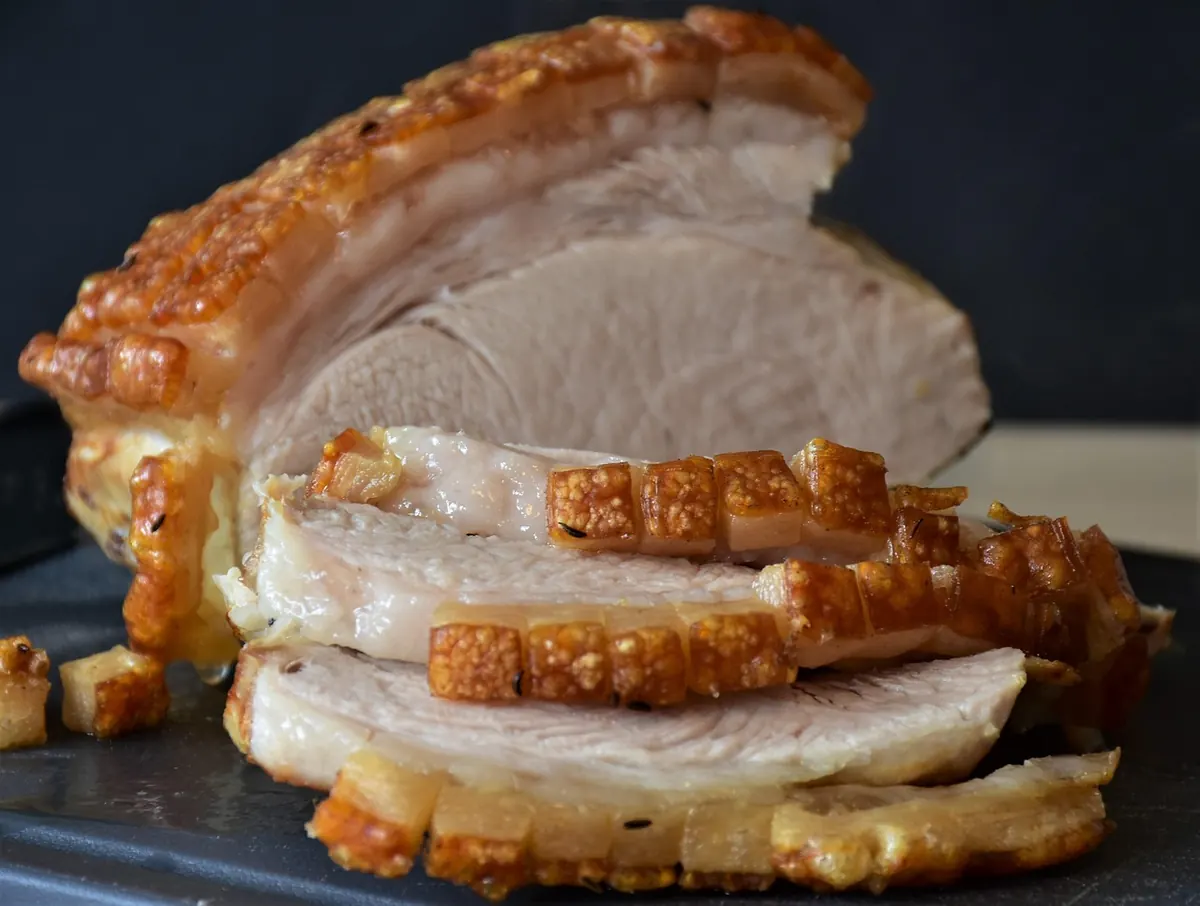
Crackling, apple sauce and sage want fruit and freshness. Off-dry Riesling is the classic choice: the touch of sweetness mirrors the apple and the acidity slices the fat. If you'd rather drink red, a Cru Beaujolais such as Morgon or Fleurie works beautifully, as does a young Pinot Noir.
Chicken
Roast chicken with lemon and thyme is flexible; what matters is everything alongside it. With plain vegetables, pour a white Burgundy or a Chablis Premier Cru. With all the trimmings, switch to red Burgundy or an Oregon Pinot Noir — enough body for the gravy, gentle enough for the meat.
Root vegetables, casseroles and earthy plates
Parsnips, squash, beetroot and mushrooms are sweet and earthy at once, and they punish clumsy reds. Reach for softer tannin and a savoury edge.
- Mushroom risotto or mushroom Wellington: Nebbiolo — Barolo, Barbaresco or the gentler Nebbiolo d'Alba — or a mature Rioja.
- Beetroot with goat's cheese: Sancerre, or Cabernet Franc from Chinon or Bourgueil.
- Roasted squash and celeriac: dry Chenin Blanc from Savennières, or an aged dry Riesling.
- Nut roast: a white Rhône such as Viognier or Roussanne, or a Northern Rhône Syrah if you want red.
Casseroles and braises are where autumn cooking shines, and they're forgiving: any red with decent acidity and moderate tannin will do. If you've used a lot of tomato, add a splash of the same wine to the pot near the end and the pairing tightens up on its own.
Game: venison, pheasant, partridge and rabbit
Game is lean and strongly flavoured, which makes it trickier than beef. The rule is simple: the leaner the bird, the lighter the red.
Venison, especially with juniper and redcurrant, can take serious wine — Northern Rhône Syrah, Barolo, Bandol, or a Madiran if you like tannin. Pheasant and partridge are drier, and heavy tannin makes them taste metallic. Pour Pinot Noir instead: Volnay or Chambolle-Musigny at the top end, or a good New World Pinot. Rabbit with mustard often suits white better — Vouvray or a dry Chenin — though a light Chinon is a fine alternative. Wild duck with cherries sits between the two camps, and takes Pinot Noir or a cool-climate Syrah.
One practical point: game usually arrives with something sweet and sharp — redcurrant jelly, quince, damson. Those condiments push the choice towards reds with red-fruit character rather than dark, tarry ones.
Warm puddings and what to drink with them
Dessert causes more disappointment than any other course, usually because the pudding is sweeter than the wine. Fix that and the rest falls into line.
- Sticky toffee pudding: tawny Port, Pedro Ximénez sherry, or a Banyuls from Roussillon.
- Apple crumble and custard: sweet Loire Chenin such as Coteaux du Layon, or a late-harvest Riesling.
- Bread and butter pudding: Sauternes or Barsac — the honeyed richness mirrors the custard.
- Chocolate and prune pudding: Vintage Port, or a Maury with a few years on it.
- Poached pears with spice: Muscat de Beaumes-de-Venise, served properly cold.
If you'd rather not open a sweet wine for one course, a tawny Port covers most of these puddings and keeps for weeks once opened.
Six bottles worth having to hand
- Cru Beaujolais — chicken, pork, anything with mushrooms
- Northern Rhône Syrah — lamb, sausages, root vegetables
- Rioja Reserva — roast beef, lamb, hard cheese
- Red Burgundy or Oregon Pinot Noir — game birds and duck
- Dry Riesling or Chenin Blanc — pork, squash, spiced dishes
- Tawny Port — the pudding course
Before you pour: a few practical notes
Serve reds cooler than most people do, around 16 to 18°C. A warm kitchen pushes a wine towards 22°C within half an hour, at which point the alcohol dominates and the fruit goes flabby. Twenty minutes in the fridge before serving sorts it out.
Young, tannic reds benefit from being opened an hour ahead, or poured into a jug and back into the bottle. Sweet wines should be well chilled but not iced, since cold mutes the aromatics you paid for.
If a pairing feels off, adjust the food before blaming the bottle. A pinch of salt, a spoonful of cream or a sliver of cheese will often soften a tannic red. And when you're cooking for a crowd with mixed tastes, put a white and a red on the table and let people sort themselves out. Autumn is the most generous season for both wine and food; there's no need to be strict about it.
Photo: RitaE / Pixabay