A Beginner's Guide to Reading a Wine Label
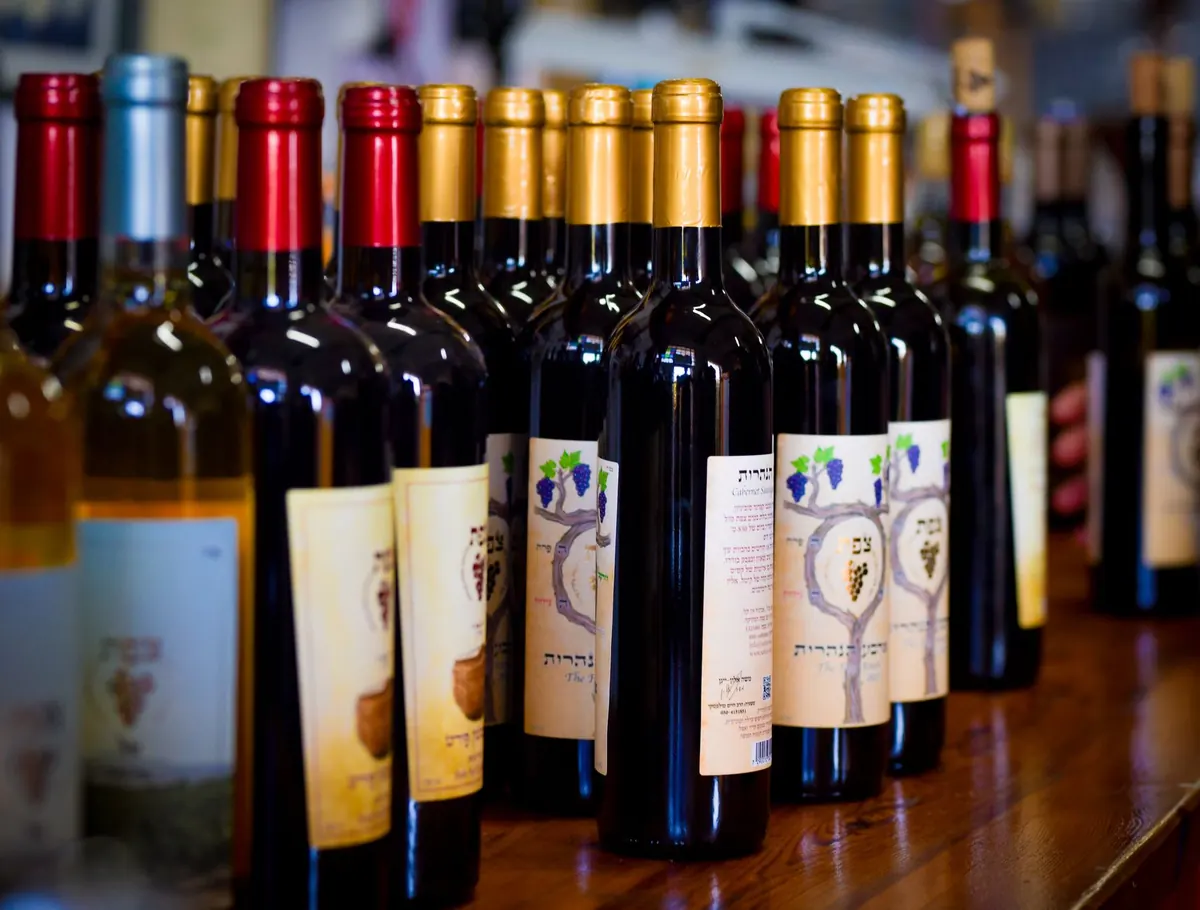
A wine label is not a riddle designed to embarrass you in the supermarket aisle. It is a set of signals — some tightly regulated, some pure marketing — and once you can tell which is which, choosing a bottle takes about thirty seconds longer than choosing a loaf of bread. Here is how to read one without bluffing.
The two schools of labelling: grape or place
Almost every bottle tells you either what grape is inside or where it came from. Labels from Australia, New Zealand, Chile, Argentina, South Africa and the United States tend to lead with the grape: "Chilean Sauvignon Blanc", "Barossa Shiraz". Labels from France, Italy, Spain, Portugal and much of Germany tend to lead with a place: Sancerre, Chianti, Rioja, Douro.
This matters because place names carry hidden grape information. Sancerre and Pouilly-Fumé are Sauvignon Blanc. Chablis is Chardonnay. Rioja is usually Tempranillo. Barolo and Barbaresco are Nebbiolo. Learn half a dozen of these and a lot of restaurant lists suddenly make sense.
It also pays to know the same grape under different names: Syrah and Shiraz, Pinot Grigio and Pinot Gris, Garnacha and Grenache, Tempranillo and Tinta Roriz. Same fruit, different passport.
Vintage: the year the grapes were picked
The vintage is the harvest year, not the year the wine was bottled or released. A 2022 on the label means the grapes were picked in 2022.
Older is not automatically better. Most whites and lighter reds on a supermarket shelf are made to be drunk within a year or three of bottling, and a 2016 Pinot Grigio is more likely to be tired than treasured. Where vintage genuinely matters is in regions where the weather swings — Burgundy, Bordeaux, Champagne, the Loire, parts of Italy — because a cool, wet year and a hot, dry one produce very different wines from the same vineyard.
In consistently sunny places such as much of Chile, Argentina, southern Spain and Australia, the gap between neighbouring vintages is usually smaller, so you can buy with less worry about the year.
Some bottles carry no vintage at all. Non-vintage, or NV, usually means a blend of several years, which is normal for most Champagne and many fortified wines. The aim is consistency rather than a snapshot of one season.
Practical tip: when you find a bottle you like, photograph the label, vintage included. Next year's version will be a close relative rather than an identical twin — and in a good region, that is part of the pleasure.
ABV and the other numbers
Alcohol by volume is the one figure you can trust, because it is measured and legally controlled. As a rough style guide: under 11% often means something lighter and sometimes sweeter, typical of German Rieslings, Moscato and many rosés. 12–13.5% covers most crisp whites and medium-bodied reds. 14% and above usually signals a fuller, riper, warmer wine, such as a big Australian Shiraz or a southern Italian red. Fortified wines sit higher still.
None of this is a quality ranking. A 13% Burgundy can be far more interesting than a 15% blockbuster, and a lower-alcohol wine is not automatically thin.
If you are keeping an eye on units, ABV is the number that matters. A 250ml glass of 14% wine contains far more alcohol than a 125ml glass of 11%, and it is easy to pour the first while thinking you are drinking the second.
The label terms worth knowing
Plenty of the words printed in elegant type are regulated; plenty are not. Both kinds are worth recognising.
- Brut, Extra Dry, Demi-Sec — sweetness levels on sparkling wine. Brut is dry; Extra Dry is confusingly a touch sweeter than Brut; Demi-Sec is noticeably sweet.
- Crianza, Reserva, Gran Reserva, Riserva — ageing terms, mainly Spanish and Italian. The wine has spent a set minimum time in barrel and bottle before release, which tends to mean softer tannins and more savoury flavour.
- Grand Cru, Premier Cru — "great growth" or "first growth", but the meaning shifts by region. In Burgundy it points to a specific vineyard; in Bordeaux, to a classification of estates; in Alsace, to a designated site. A Grand Cru from one region tells you nothing about another.
- Vieilles Vignes, Viñas Viejas, Old Vines — old vines. There is no single legal definition, so treat it as a hint rather than a promise.
- Mis en bouteille au château / au domaine — bottled at the estate where the grapes were grown rather than by a merchant. Generally a good sign of provenance, though not a guarantee of quality.
- Méthode Traditionnelle — the second fermentation happened in the bottle, the same technique used in Champagne. Usually finer bubbles and more complexity than a tank-fermented alternative.
- Vin de France, IGP, AOP — the French quality ladder, running from broad and flexible to tightly rule-bound and place-specific.
What the back label is legally telling you
Flip the bottle. The back carries the compliance information: ABV, volume, the name and address of the producer, bottler or importer, and usually a "contains sulphites" warning. That warning appears once sulphite levels pass a threshold, which is why it shows up on nearly every bottle — including many made with minimal intervention.
You may also see fining agents listed as allergens. Egg white and milk proteins are traditional fining agents and can leave traces; wines labelled suitable for vegans have generally been fined with pea protein, bentonite clay or nothing at all. Vegan labelling is voluntary, so a bottle without those words is not automatically unsuitable.
Tasting notes on the back are marketing, not information. "Hints of blackcurrant and cedar" is an opinion. "13.5%, Rioja Reserva, Tempranillo" is a fact. Read the facts first.
Reading a label in the shop: a sixty-second routine
- Decide what you want first — something crisp, something bold, something to go with roast lamb — then use the label to find a match.
- Locate the grape or the region and use it to predict weight and flavour.
- Check the vintage if the region is weather-sensitive; ignore it if the wine is a young white.
- Glance at the ABV to confirm the style you expected.
- Scan for one or two meaningful terms — Reserva, Méthode Traditionnelle, Mis en bouteille au domaine — and skim past the adjectives.
- If it is a wine you have not tried, buy one bottle. If you like it, go back for six.
Labels reward a little practice. After a handful of shops you will start recognising the same names, spotting the ones that tell you something and ignoring the ones that do not. That is the whole skill: knowing which words are facts and which are decoration.
Photo: Svet Svet / Pexels