Red vs White vs Rosé: Which Wine Style Suits Your Meal?
Stand in a wine aisle with a recipe in mind and the labels start to argue with each other. Red feels safe with meat, white with fish, rosé with sunshine and Saturdays. That shorthand gets you a long way, and it is also the reason plenty of dinners end with a bottle that is technically correct and quietly dull.
A more useful question is what you want the wine to do. Cut through fat. Echo a sauce. Stand up to char and smoke. Or stay out of the way while something delicate does the talking. Red, white and rosé each have a natural talent here. Choose by job rather than colour and you will rarely go wrong.
Start with the plate, not the bottle
Before you think about grapes, look at the dish and note three things. First, weight: is it a bowl of broth with herbs, or a slow-cooked shoulder of lamb? Second, the dominant flavour: creamy, tomatoey, salty, sweet, spicy, charred? Third, texture: crisp and raw, or soft and unctuous?
Those three answers narrow the field faster than any pairing chart. A tomato-heavy dish wants acidity in the glass. Something buttery wants a wine with a spine. Charcoal-grilled food wants smoke, spice or a bit of tannin alongside it.
Body: matching weight to weight
Body is simply how heavy the wine feels in your mouth, and it is the single easiest thing to get right. The rule is blunt: heavy dish, heavier wine. Light dish, lighter wine. Get it the wrong way round and either the wine flattens the food or the food flattens the wine.
Light-bodied whites such as Muscadet, Picpoul de Pinet, Albariño and unoaked Chablis are the ones to reach for with oysters, simply grilled fish, salads and vegetable starters. Fuller whites — oaked Chardonnay, Viognier, white Rhône blends — have the weight for roast chicken, creamy pasta, buttery fish and anything with a cream or mushroom sauce.
Among reds, the light end includes Beaujolais, Pinot Noir and Frappato: lovely with duck, mushrooms, salmon and charcuterie, and better slightly chilled than most people serve them. The fuller end — Cabernet Sauvignon, Syrah, Malbec, Châteauneuf-du-Pape — is built for steak, lamb, braises and anything off the barbecue.
Acidity and tannin: the two things that decide it
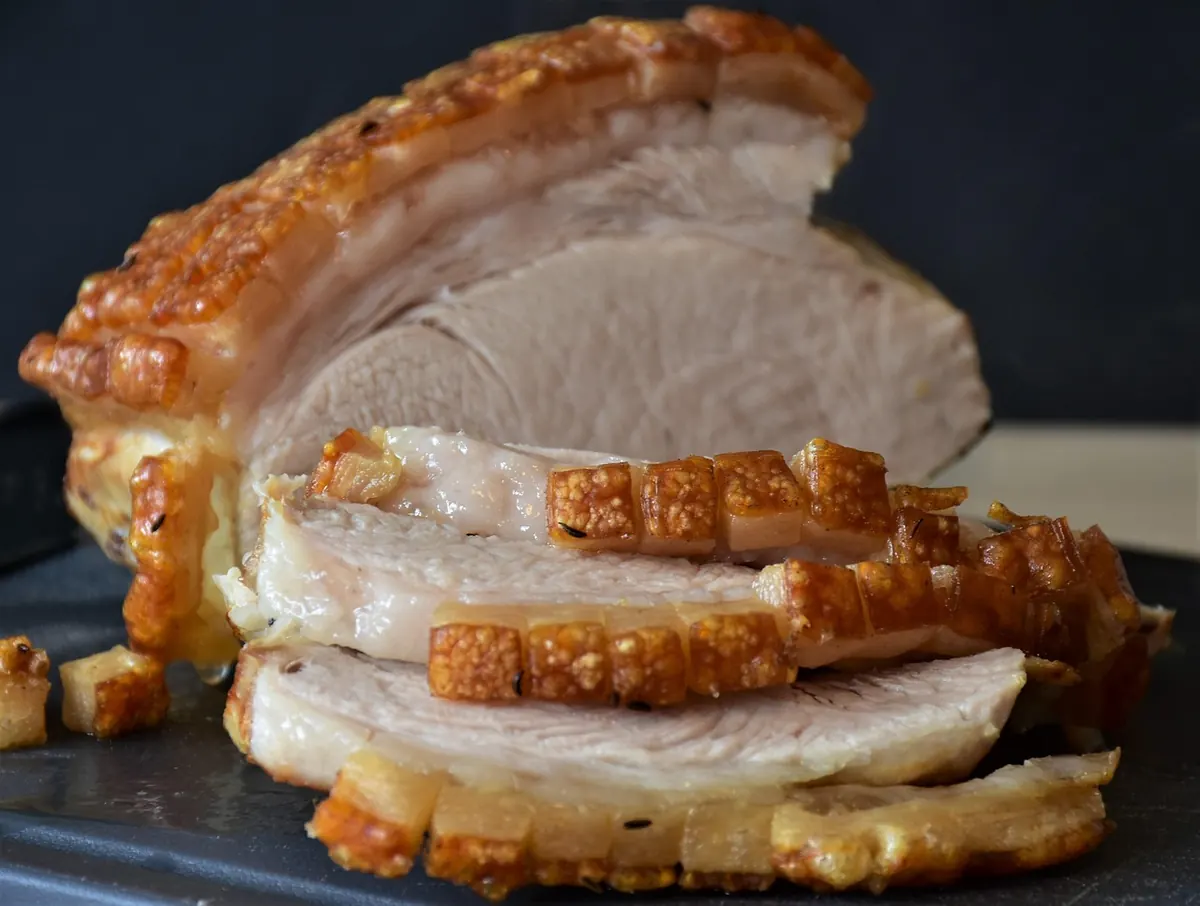
Acidity works like a squeeze of lemon. It cuts richness, lifts a heavy sauce and resets your palate between mouthfuls. Creamy dishes, fried food, pork belly, soft cheese and anything with a butter-based sauce all benefit from a crisp, high-acid white. Pair those same dishes with a flabby, low-acid wine and everything tastes stodgy by the second glass.
Tannin, the drying sensation in red wine, behaves differently. It binds to protein and fat, which is why a tannic red tastes smoother with a steak than it does on its own — and why the same wine beside plain white fish can turn metallic and bitter.
Two more interactions are worth remembering. Sweetness in food makes a dry wine taste sour, so a squeeze of honey or a fruit-based sauce often suits an off-dry white. And chilli heat amplifies both alcohol and tannin, so spicy dishes are happier with an off-dry Riesling, a Gewürztraminer or a lightly chilled, low-tannin red.
If the dish is rich, the wine needs a spine of acidity. If the dish is delicate, the wine needs to keep its voice down.
Rosé: the flexible in-between
Rosé suffers from being treated as a season rather than a style. In practice it ranges enormously. The pale, bone-dry Provençal style is essentially a light white wine with red fruit — superb with grilled fish, garlicky dishes, salads and charcuterie. Deeper, fruitier rosés from Spain or the New World carry real weight and can handle lamb, barbecued chicken and paella without flinching.
A slightly off-dry rosé with spiced food is one of the most reliable pairings there is, and a dry one is a fine answer when half the table has ordered fish and half has ordered meat. Serve it properly cold, and treat it as a dinner wine rather than a garden one.
Five pairings that rarely miss
- Roast chicken: oaked Chardonnay if you want the butter, Pinot Noir if you want the earth.
- Steak or lamb: Cabernet Sauvignon, Syrah or Malbec — something with structure.
- Tomato-based pasta: a high-acid red such as Chianti or Barbera; the acidity mirrors the tomato.
- Grilled or fried fish: Muscadet, Picpoul or Albariño, all of them sharp and saline.
- Charcuterie and salty snacks: dry rosé, or a light red served cool.
Choosing and serving, in practice
If you would rather work through it step by step, this sequence takes about a minute and holds up on a weeknight.
- Read the recipe and write down the fat, acid, spice and sweetness levels.
- Decide the wine's job: cut, echo, or stay quiet.
- Choose the colour accordingly — crisp white to cut, red for weight, rosé for flexibility.
- Check body against the dish, then adjust up or down a notch.
- Serve at the right temperature: crisp whites around 8–12°C, light reds 13–16°C, fuller reds 16–18°C. Warm red wine tastes alcoholic; over-chilled white tastes of nothing.
- Taste them together and correct: a squeeze of lemon in the food, a pinch of salt, or a slightly smaller pour of wine.
None of this is a rulebook, and the exceptions are often the best meals. A bold red with a tomato sauce can work beautifully if the sauce is rich enough; a crisp white beside a rare steak will struggle. If you are avoiding alcohol for health reasons or because of medication, ask your GP or pharmacist what suits you, and note that alcohol-free versions of several of these styles now do a decent job of the same work.
The bottle that wins is not the most expensive one or the most fashionable one. It is the one that makes the food taste more like itself, and makes you want a second glass of it.
Photo: WolfBlur / Pixabay