How to Taste Wine Like a Pro: A Beginner's Step-by-Step Guide
Stand in any tasting room and you will spot them: the people who swirl, sniff, pause, and then say something that sounds remarkably assured. They are not gifted. They have simply learned a sequence, and the sequence works. Look, swirl, sniff, sip, assess — five steps, in that order, every time.
Nothing about wine tasting requires special equipment or a better palate than the one you already have. What it requires is attention, a clean glass, and the willingness to describe what you notice in plain language rather than reaching for words that sound impressive. Here is how the whole thing works.
Look: what your eyes notice before you sip
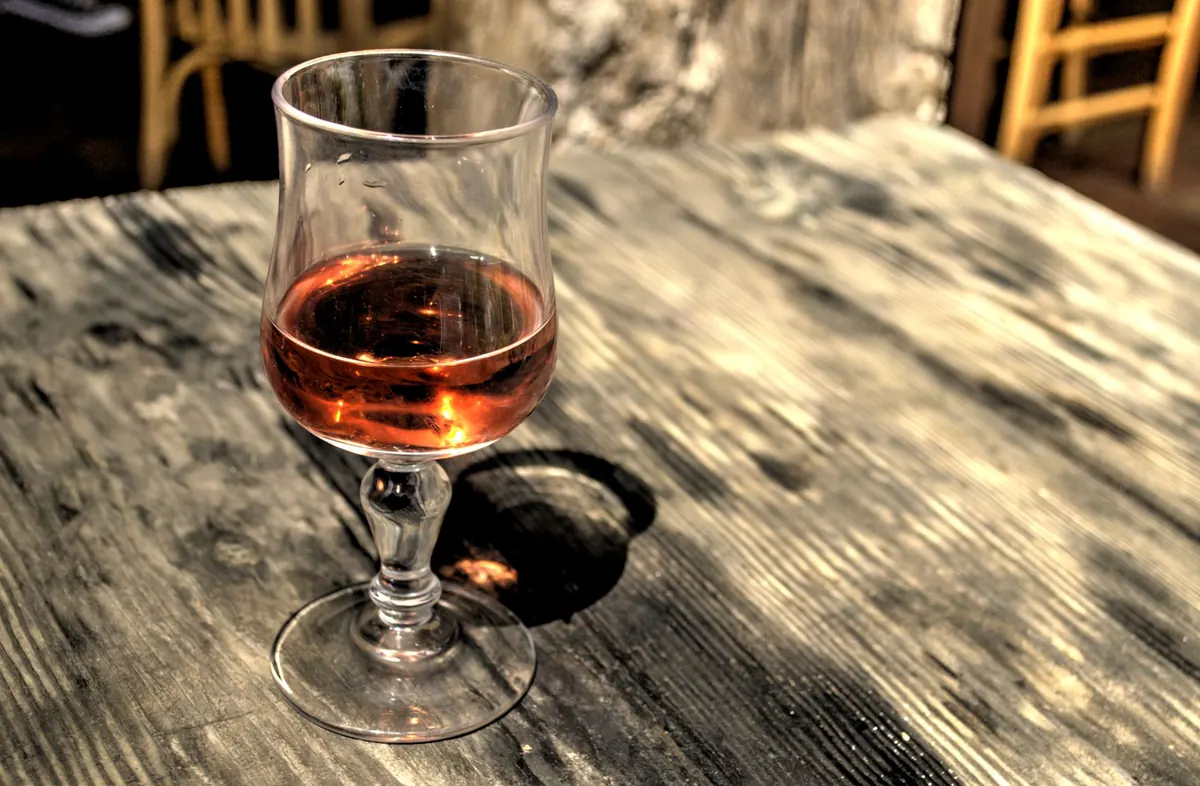
Hold the glass by the stem — never the bowl — and tilt it over something white. A napkin, a menu, a sheet of paper: anything pale will do. Look at the liquid itself, then look at the thin edge where the wine meets the glass.
Young reds usually show purple or deep ruby at the rim; older ones drift towards brick, garnet or a faded tawny. Whites move from green-tinged and pale in youth towards gold and amber with age. Is the colour pale or deep? Is the wine clear? You are not judging quality here, only gathering clues about grape, age and style.
Tip the glass back upright and look at the streaks running down the inside. Those are sometimes called legs or tears. They hint at alcohol and glycerol, which tells you something about body, not about how good the wine is. Do not read too much into them. One or two words in your head is plenty for this stage.
Swirl: waking the wine up
Swirling increases the surface area of the wine, which releases the aromatic compounds sitting in the liquid. Without it, you smell a fraction of what is actually there. Pour only a third of a glass, which gives the wine room to move.
If you are nervous about redecorating the table, keep the base of the glass flat on the surface and move it in small circles. It looks almost as confident and it is much harder to get wrong. Holding the glass by the stem and flicking your wrist in a tight circle works too, once you have the measure of it. Spill a little and nobody will care. Wipe it up and carry on.
Sniff: where most of the flavour lives
Short sniffs first, quick and light, then one deeper one. Your first impression is often the most useful: what does it remind you of? Then go hunting for detail. Fruit is the obvious starting point — is it green apple, lemon, blackcurrant, plum, strawberry? After fruit, look for everything else: flowers, herbs, pepper, butter, bread crust, vanilla, cedar, smoke, earth, leather.
Two practical things make a real difference. First, temperature. A white straight from the fridge will hide most of its aroma, so cup your hands around the bowl for a minute and try again. Equally, a red served too warm smells soupy and flat. Second, your surroundings. Strong perfume, scented candles and a just-washed glass still smelling of detergent will interfere. Rinse glasses in hot water and let them air dry.
If a wine smells of wet cardboard, damp basement or vinegar, something has gone wrong with the bottle. It happens, and it is worth learning to recognise. Mention it politely at a tasting — hosts would rather know.
Sip: taste it, feel it, breathe it
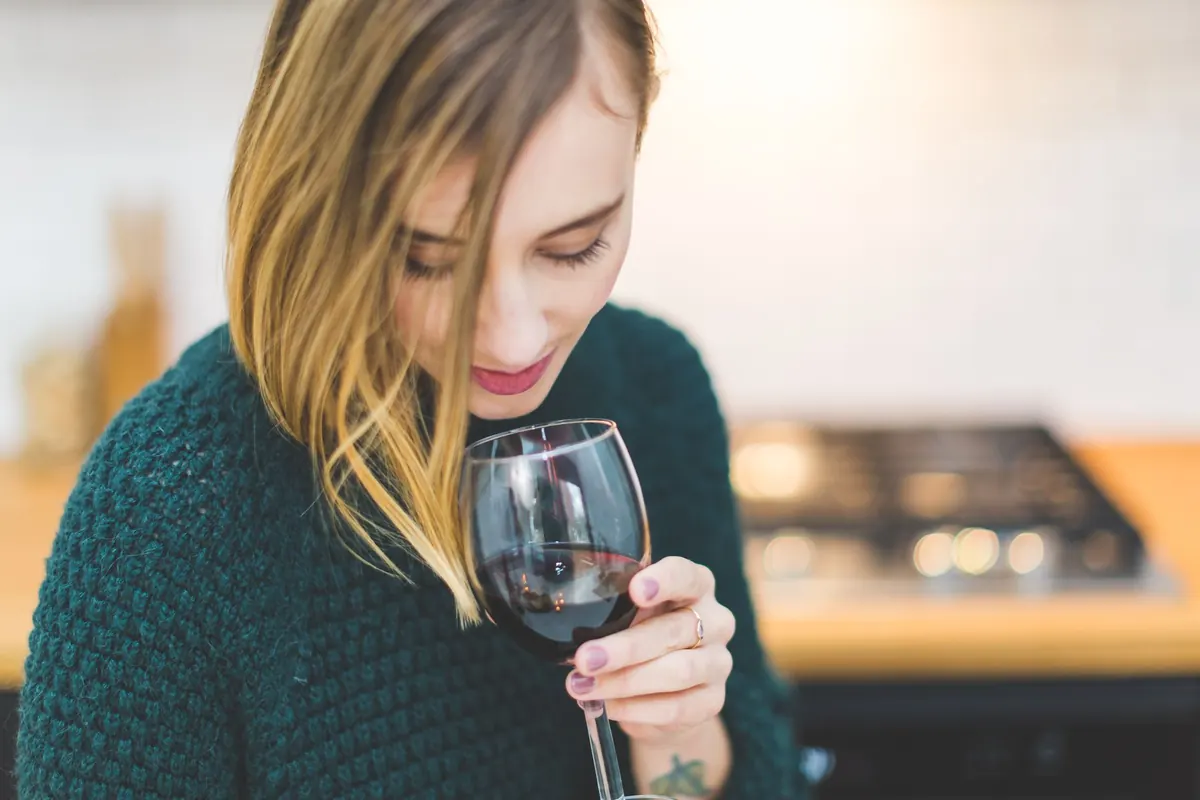
Take a small sip, enough to cover your tongue without filling your mouth. Let it sit for a moment, then draw a little air in through your lips as if you were cooling soup. This spreads the wine across your palate and pushes aroma up the back of your throat, where most of what we call flavour is actually sensed. It is a noisy business. Practise at home first.
As the wine sits, work through the building blocks:
- Sweetness: felt at the front of the mouth. Bone dry, off-dry, or genuinely sweet?
- Acidity: does your mouth water? Sharpness along the sides of the tongue signals freshness and structure.
- Tannin: the drying, grippy sensation on your gums and cheeks. Think of a strong cup of black tea. This is not bitterness.
- Alcohol: a warmth at the back of the throat, sometimes a slight burn.
- Body: the weight of the wine. Skimmed milk or full-fat?
- Flavour: does the palate match the nose, or do new notes appear?
- Finish: how long does the taste linger after you swallow or spit? Count the seconds.
Spitting is normal at tastings and no one will think it odd. It means you can taste a dozen wines and still hold a conversation. Water and plain crackers between wines reset your palate.
Assess: turning sensations into words
Now pull it together. Three questions do most of the work: is it balanced, how long is the finish, and do you actually like it? Balance means nothing sticks out — no wine that feels like a mouthful of acid, no tannin that dries your gums for a minute afterwards, no alcohol burning over everything else.
A simple note template keeps you focused:
- Appearance: colour, depth, clarity
- Nose: two or three aromas, in your own words
- Palate: sweet or dry, acidic or soft, light or full
- Finish: short, medium, long
- Verdict: would you buy it, and what would you eat with it?
Write your note before you hear anyone else's opinion, including the host's. Borrowed vocabulary is easy; your own sensory memory is what improves. "Smells of green apples and lemon peel, tastes sharp and clean, finishes quickly" is a perfectly good tasting note. You do not need a thesaurus.
Getting better without the pressure
The fastest way to improve is comparison. Buy two bottles, open them together, and taste them side by side: the same grape from two different places, or two different grapes from the same place. Differences are much easier to spot than absolute qualities, and the contrast lodges in your memory.
Taste before dinner rather than after, when your palate is fresh. Keep a notebook or a note on your phone, even if it is three lines. Ask questions at tastings, but form your own view first. And if you are driving, stick to water — spitting helps, but the only safe amount of alcohol before getting behind the wheel is none. Beyond that, the method is the whole trick. Look, swirl, sniff, sip, assess. Repeat often enough and it stops feeling like a performance.
Photo: ClickerHappy / Pexels