UK Vineyards to Visit in Kent and Sussex: A Seasonal Guide
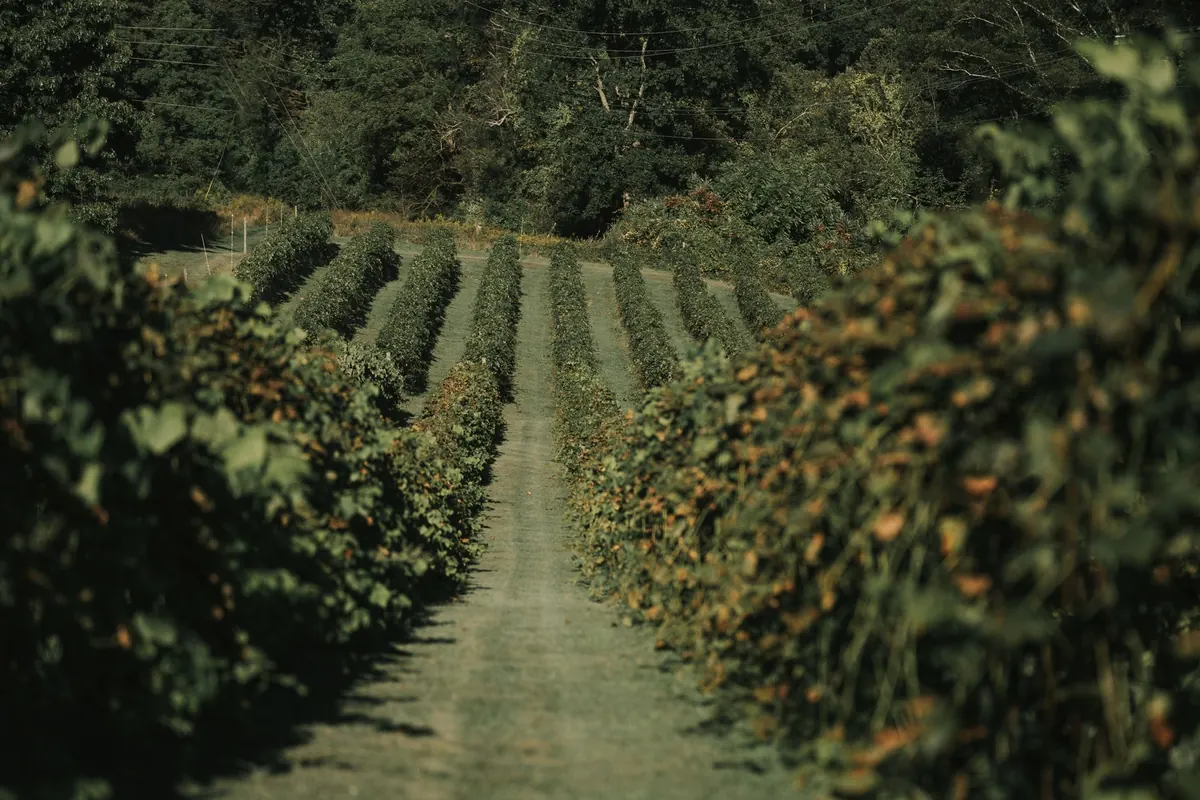
English wine stopped being a curiosity some time ago. In Kent and Sussex you can now spend a long weekend moving between estates that would not look out of place in Champagne, and a fair number of them are making sparkling wine that stands up on its own terms. The two counties share the same chalk belt, the same south-facing slopes and much the same grape varieties: Chardonnay, Pinot Noir and Meunier for the fizz, Bacchus and Ortega for the still whites. What changes through the year is what you actually get to see and taste. Here is how to time a visit.
Two Counties, One Band of Chalk
Kent's vineyards cluster on the North Downs and around the Low Weald: Chapel Down at Tenterden, Gusbourne near Appledore, Simpsons at Barham, Hush Heath at Staplehurst, Squerryes at Westerham. Sussex spreads across the South Downs, with Ridgeview at Ditchling, Bolney near Haywards Heath, Wiston at Washington, Tinwood near Chichester and Rathfinny at Alfriston. Sussex even holds a protected designation of origin for its sparkling wines, a useful shorthand for the quality of the chalk and greensand sites along the downs.
Both counties are within about an hour of London by train, which makes them easy day trips and, better still, easy overnight trips. That matters, because the best visits are unhurried ones.
Spring: Budbreak and the Quiet Season
April and May are the most hopeful weeks in a vineyard. Buds break first on the Pinot and Chardonnay, and growers spend the nights watching the forecast for frost, sometimes out among the rows with fans and heaters. The vines are still bare enough to read the site: how the rows follow the contour, which way the slope faces, where the windbreaks sit. Tasting rooms are quiet, so the people behind the bar have time to talk properly. Ask what has just been bottled and how the last vintage went.
In Sussex, some estates sit beside bluebell woods that flower from late April; Bluebell Vineyard Estates at Hindleap takes its name from the woods around it. Wear boots, because clay and chalk hold water, and check opening times: tasting rooms that close in January often only reopen around Easter.
Summer: Long Evenings and Vineyard Life
Flowering happens in June, usually in a matter of days, and it decides how much fruit you will eventually see. By August the grapes are going through veraison, turning from hard green to soft gold and purple. This is the season for outdoor tastings, terrace lunches and late tours when the light is at its best, and many estates run food pop-ups or occasional music evenings alongside the standard visits.
Book weekend slots well ahead and consider a weekday instead: midweek tours are calmer, often cheaper and rarely full. Slopes offer very little shade, so take water and a hat. Dog policies vary widely — many estates welcome dogs in the vineyard and on the terrace but not in the winery, so ring before you set off.
Harvest: The Best Six Weeks of the Year
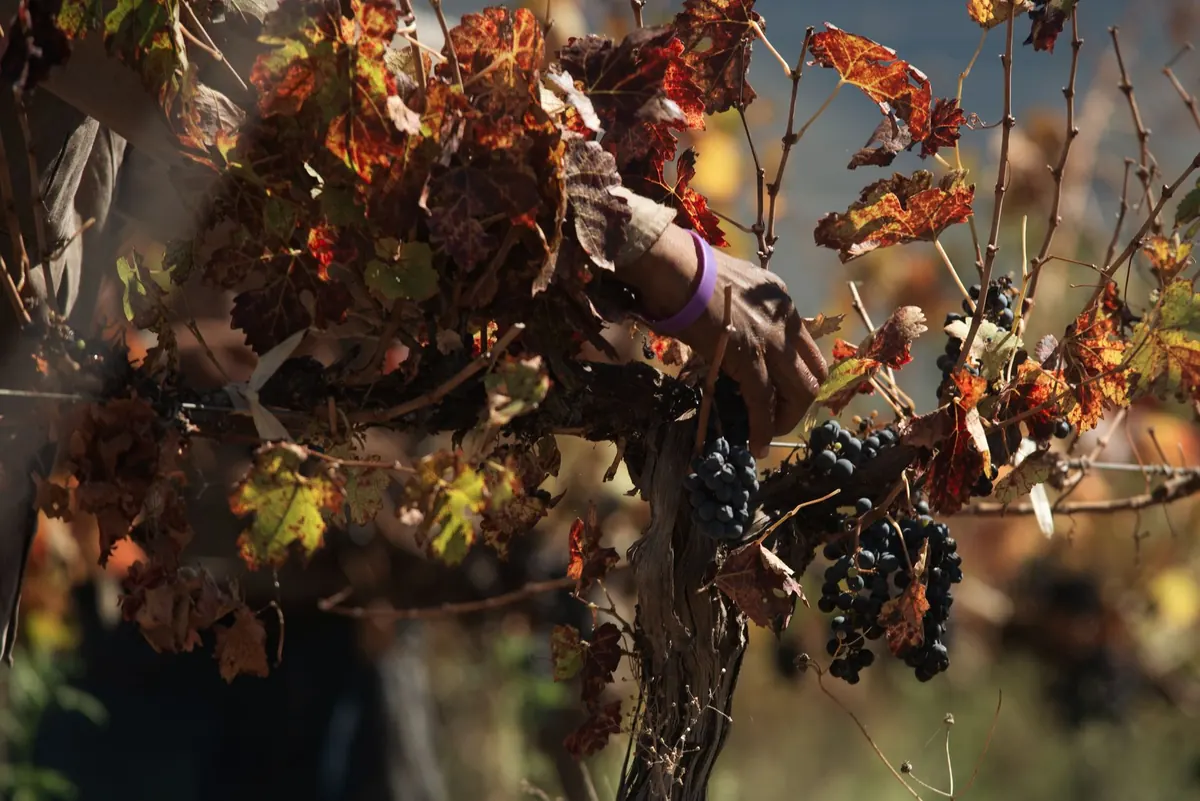
From late September into October, and sometimes into early November for late-ripening plots, the vineyards switch from scenery to workplace. Premium English sparkling wine is still largely picked by hand, and a good number of estates sell harvest experiences: you pick a row in the morning, then sit down to lunch and a tasting. If you want to understand why English wine costs what it does, spend an hour on a picking team.
Harvest dates are set by the grapes, not the calendar, so they shift every year and are often confirmed at short notice. Join a vineyard's mailing list if you are set on a picking day, and keep your plans flexible. The winery is at its most interesting during harvest — presses running, tanks filling, that unmistakable smell of fermenting juice — and tours tend to be longer and more detailed.
Winter: Pruning, Disgorging and Fireside Tastings
November to March is pruning season, the single most important job in the vineyard, and it is oddly good to watch. The vines are dormant, the structure of the trellising is visible, and you can see replanting and new plantings taking shape. In the cellar, sparkling wines are being riddled and disgorged ready for release, which is the part of the process most visitors never get to see.
Before Christmas, several estates hold markets and festive tasting events. After New Year it goes quiet, and some tasting rooms close entirely or open at weekends only, so check before travelling. The upside is space, attention and often the most generous tastings of the year. Some vineyards run pruning workshops for amateurs; they are worth asking about if you want to do more than drink.
Booking, Tasting and Getting There
A little preparation turns a decent afternoon into a good one.
- Book direct with the vineyard where you can. You will get clearer detail on what the visit includes and more flexibility if plans change.
- Weekend tours and harvest days sell out first — book two to four weeks ahead in summer and autumn, and longer for groups of six or more.
- Ask whether the tasting fee comes off a bottle purchase. Many estates do this quietly rather than advertising it.
- Check what you are actually booking: some tours cover the vineyard, some the winery, and some both.
- Flag access needs when you book. Old oast houses and barns mean steps, thresholds and gravel paths, and the better estates will plan around them.
- Spitting is normal and expected on a tasting flight. Nobody will be offended, and it means you can still drive legally and sensibly.
Trains do much of the work. Ashford International and Headcorn serve the Kent vineyards around Tenterden and Appledore; Hassocks, Burgess Hill and Haywards Heath put you a short taxi ride from Ridgeview and Bolney; Berwick and Seaford are the practical stations for Alfriston, and Pulborough or Amberley for the vineyards around Storrington and Washington. Rural taxis need booking in advance, and mobile signal in the lanes can be patchy, so save the number before you leave.
Choose Your Season, Then Book Early
Spring suits anyone who wants detail and a quiet room. Summer is for atmosphere, long light and a table outside. Autumn is the working season, and the one to aim for if you only visit once. Winter rewards the curious and the patient, with unhurried tastings and cellar work you will not see in July.
Decide what you want from the day before you book: a full tour, a short flight, a walk through the vines or lunch on site. Then book direct, build in slack for traffic on the A21 and A27,
Photo: Joel Zar / Pexels